
Introduction
Last week, OpenAI launched GPT-5.5. Within days, creators were asking whether you should stop using Claude and switch to Codex. Greg Isenberg published a video with exactly that question in the title. Riley Brown followed with a deep-dive on using Codex for real workflows.
If you run a business and use AI tools every day, you’re probably wondering the same thing. This isn’t a benchmark comparison. Benchmarks tell you which model scores better on a standardised test. This article tells you which one is better for the work your business actually does.
What Changed with GPT-5.5
GPT-5.5 is OpenAI’s latest release. According to OpenAI, it brings improved performance on complex reasoning, coding tasks, and multi-step planning with less need for human correction along the way. It’s integrated into ChatGPT and Codex, and available via API for developers.
The early reaction from the AI creator community has been strong. Creators who tested it noted improvements in handling longer, more complex tasks without losing context or making errors mid-way through. Codex — OpenAI’s AI coding assistant, now running GPT-5.5 — is drawing comparisons to Claude Code as a direct competitor for automation builders.
What Claude Does Well
Claude is built by Anthropic and has been the platform of choice for many automation builders and business owners over the past year. Here’s where it consistently performs well:
Long-form reasoning and writing. Claude handles longer context windows cleanly and is consistently praised for the quality of its written output — structured, clear, and requiring fewer edits before it’s client-ready.
Following complex, multi-step instructions. When you give Claude a layered task — read this spreadsheet, find overdue invoices, draft follow-up emails, and log the results — it tends to follow through on all parts without losing the thread.
Reliability for business workflows. For automations that run on a schedule and need to produce consistent output every time, Claude’s predictability is a practical advantage.
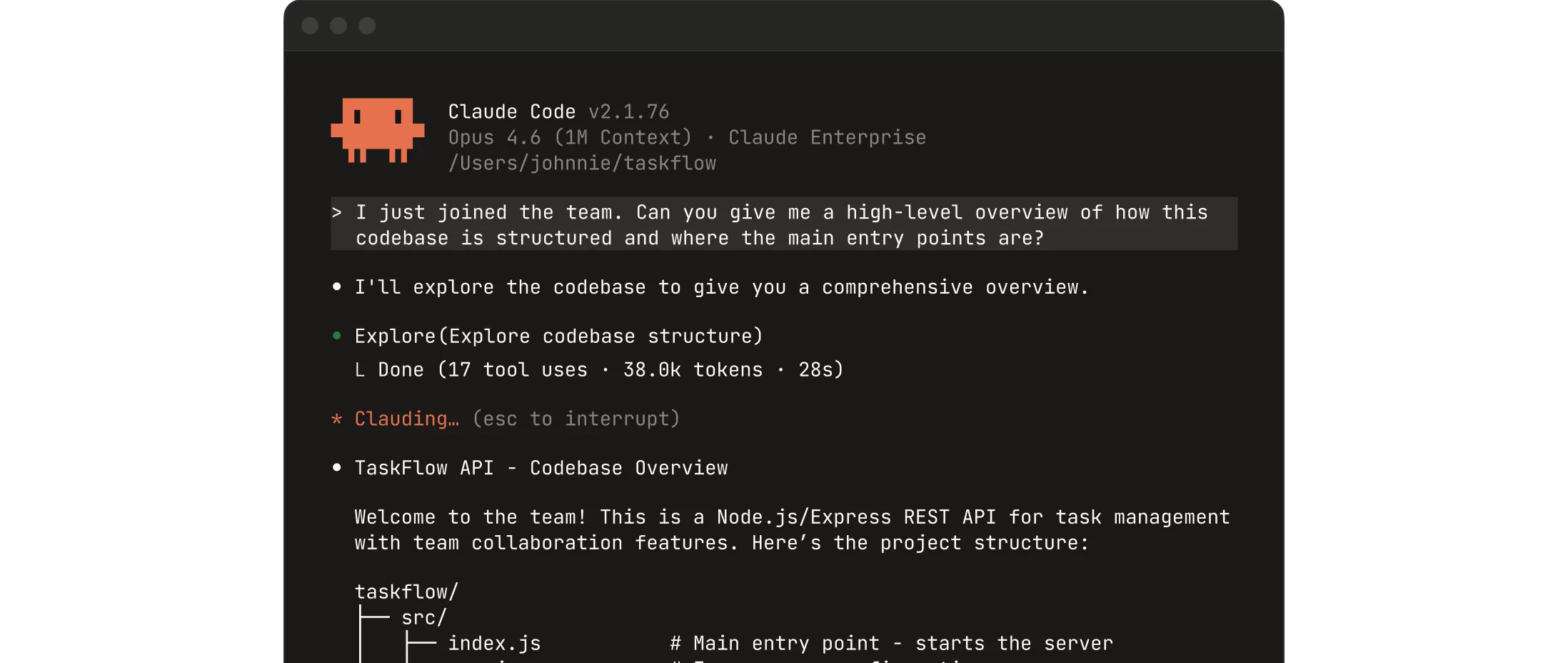
Claude Code for building automations. Claude’s agentic coding assistant runs directly in your terminal or IDE. It reads your files, writes and edits code, runs commands, and builds working automation in plain English. Many non-technical founders and small agencies have built entire service offerings using Claude Code.
What GPT-5.5 and Codex Do Well
GPT-5.5 brings genuine improvements worth knowing about:
Benchmark performance. OpenAI’s own data shows GPT-5.5 leading on several standard benchmarks including coding and reasoning tasks. For teams pushing models on high-complexity technical work, this is meaningful.
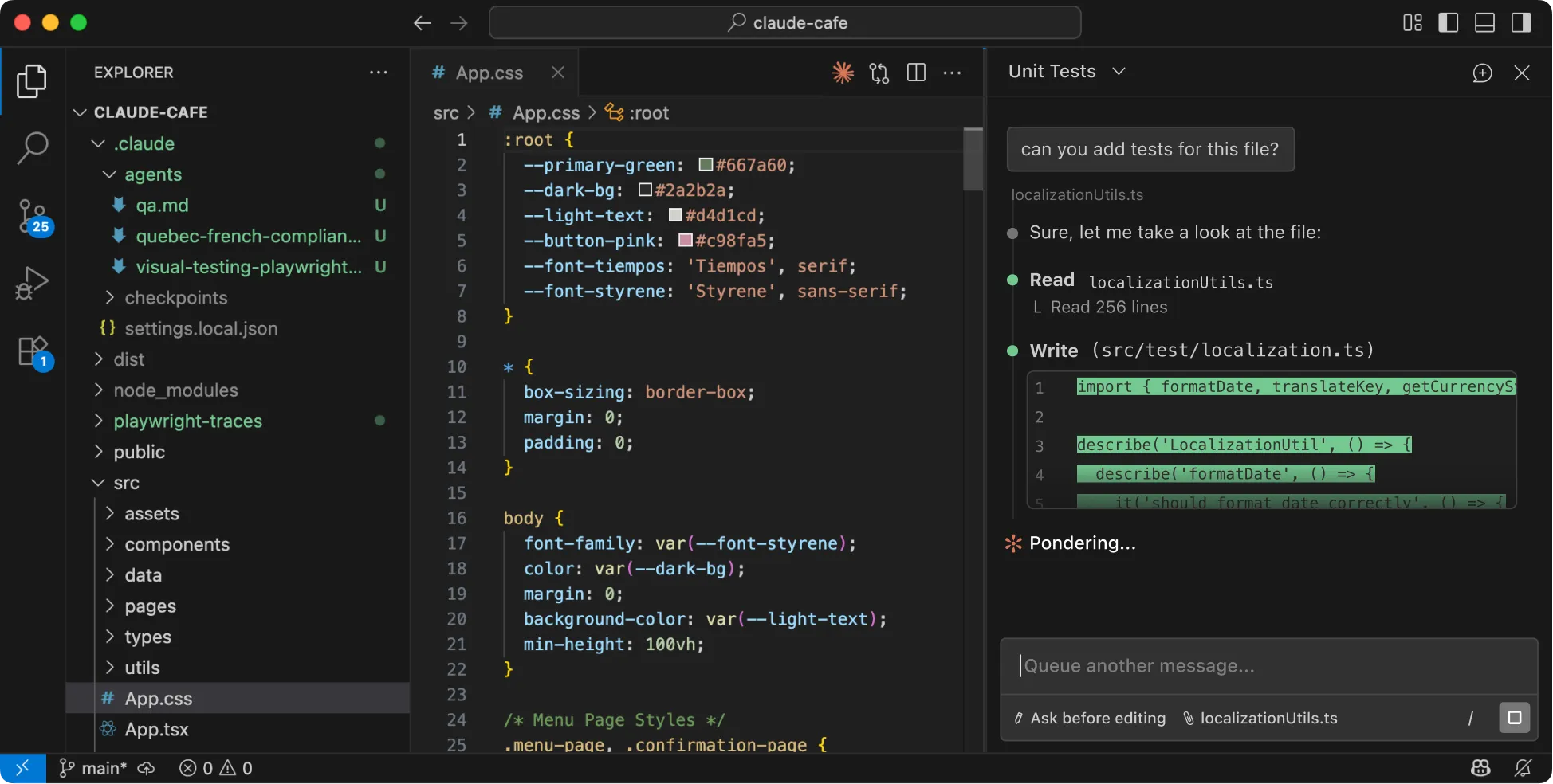
Codex as a coding agent. Like Claude Code, OpenAI’s Codex lets you instruct it in plain language and have it execute tasks. The GPT-5.5 upgrade improves speed and accuracy on complex coding requests. Creators like Riley Brown have published detailed walkthroughs showing it handling real development work.
The ChatGPT ecosystem. For teams already using custom GPTs, the Assistants API, or tools built on ChatGPT, GPT-5.5 is a direct upgrade with no switching cost. The existing integrations just get better.
Image generation. ChatGPT Images 2.0, launched alongside GPT-5.5, leads image generation benchmarks. If your business uses AI for visual content creation, this is a practical differentiator.
The Practical Decision for SMB Founders
Here’s the honest take: both models are strong in 2026. For most everyday business tasks, you won’t notice a meaningful difference. The decision comes down to your workflows and existing setup.
Choose Claude if:
- You’re building or running automation workflows that need reliable multi-step execution
- You use or plan to use Claude Code for development or building automations
- Writing quality and instruction-following on complex tasks is a priority
- You’re building something new and aren’t locked into either ecosystem yet
Choose GPT-5.5 / ChatGPT if:
- You’re already in the OpenAI ecosystem with existing integrations, prompts, or tools
- You need image generation as part of your workflow (Images 2.0 leads here)
- Your team uses ChatGPT daily and the switching cost is low
- You’re a developer working with the OpenAI API and want the latest model capabilities
If you’re starting fresh: test both on your most common tasks for a week. The one that handles your actual work better is the right choice — regardless of what any benchmark says. If you’re already mid-build on one platform, the switching cost is almost never worth it unless you have a specific gap the other model fills.
How AppCoders Approaches This
At AppCoders, we run AI automation systems for SMBs — lead generation, invoicing, content, project tracking. We use Claude as our core platform because it handles complex, multi-step workflows reliably and produces clean written output without heavy editing. That said, we test everything. If GPT-5.5 proves better for a specific client workflow, we use it. The goal is the outcome, not platform loyalty. If you want help figuring out which AI setup is right for your business, book a free discovery call.
Conclusion
GPT-5.5 is a real step forward, and the Codex vs Claude Code conversation is worth following. But for most SMB founders, the choice is less about which model leads a leaderboard and more about which one fits cleanly into your existing workflow and handles your specific tasks well.
Both are strong platforms in 2026. Pick the one that matches your context — and remember that the biggest productivity gains don’t come from switching platforms. They come from using the one you already have more intentionally.